On the 2nd of March, 1969, the first ever flight of the now infamous Concorde took off from Toulouse. The aircraft was nothing like anything else anyone had ever seen. The aircraft resembled something out of a Sci-Fi book. A plane travelling faster than sound. Setting off car alarms and shattering windows, the aircraft was years, decades, ahead of its time. But how did this marvel of aviation fail?
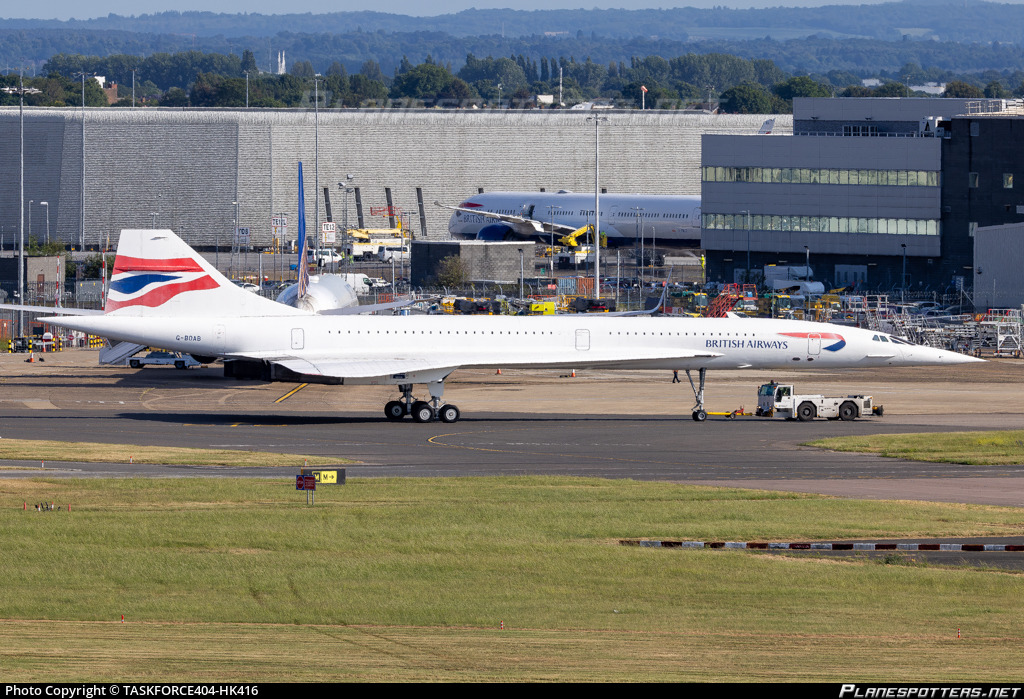
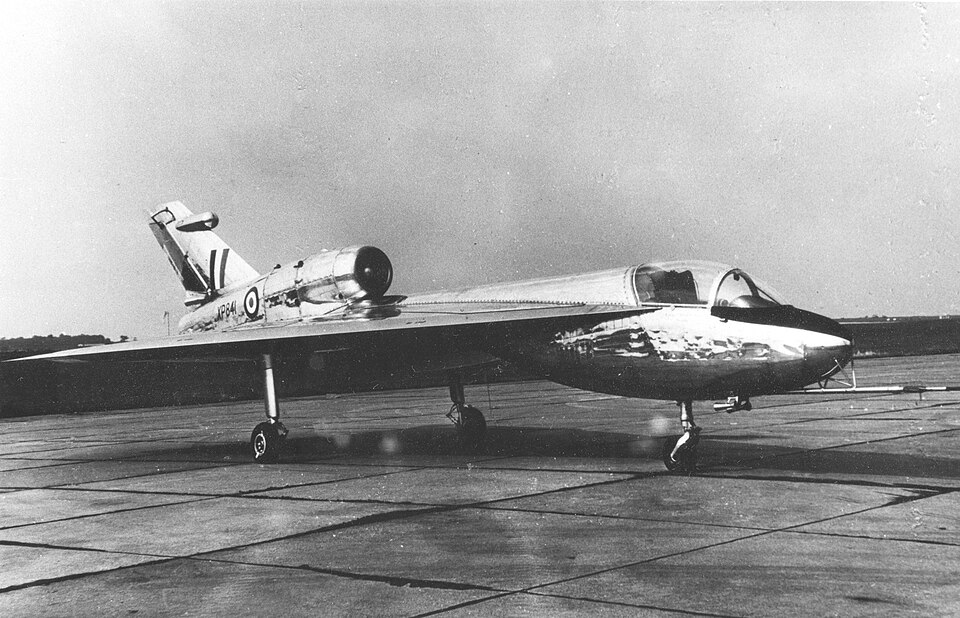
The Concorde was thought up in the early 1950’s, and originally the director of the Royal Aircraft Establishment asked to form a committee to study supersonic travel. The first ideas of the Concorde were based off of the Avro 730, which they simply enlarged and decided that it was a great idea. There was much more planning after this however. One of Concordes most striking features is the sweeping delta wing, that was only really on a few aircraft, and all of them on military aircraft. The delta wing configuration for speed was not a new idea, as Chuck Yaeger had also figured out the speed for the Convair XF-92. The Concorde was truly made for speed. Another committee was formed the Supersonic Transport Aircraft Committee. In 1956, the committee made a test aircraft, which was the Handley Page HP.115. Concorde was coming along well, and the committee saw the greatness that they were making and realised that this was going to work. The test bed was very successful and they reached out of many manufactures to see who wanted the plan. Hawker first reached out to Lockheed, then the former Bristol Team, the one made in the early 1950’s committee, and also reached out of Boeing, General Dynamics, Douglas and Sud Aviation.
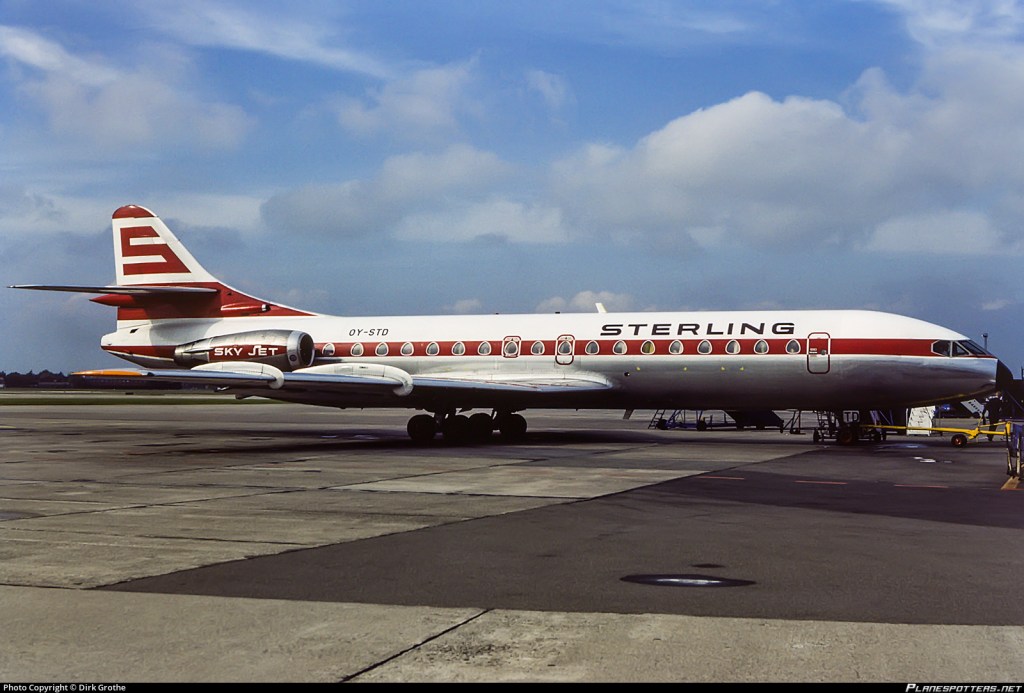
It was decided that the British would partner with the French, in the form of Sud Aviation, the state owned, French manufacturer, who had already began making plans. Along with Nord Aviation and Dassault, they compared their designs and settled on a design by Sud, titles the Sud Aviation Super-Caravelle, referencing their SE210 Caravelle which was a smash-hit around Europe at the time. It was designed specifically so that the US could not copy their range, as they imagine that America had already started making one, too. France did not have the engine capabilities, and so Britian was picked for the engines, which was also done for the Caravelle before. Neither companies had any experience with heat resistant materials, so they decided that the speed would be capped at Mach 2, as above this aluminium, which they were experienced with, melted under the air friction. It also meant that they could make the aircraft faster than the Americans could, another large bonus that they considered. Everyone involved agreed that Küchemann’s ogee-shaped wing was the right one, which he has previously proposed. Neither were working on the same thing, however, with the Brits working on a transatlantic aircraft and the French working on a short haul version. Both designs, however, became very similar, and one of the only differences was that the French has 4 engines and the Brits 6. The engines were then picked, the Rolls Royce Olympus engines, developed for the TSR-2. Many questioned the budget for the project, but the British agreed that it was necessary for them to continue as otherwise they may fall behind the Americas.
The naming of the Concorde is always very interesting and a fun story, as it was originally announced as Concorde by Charles De Gaulle, which was then changed to Concord, with no E, but later changed back to demonstrate, and I quote, “excellence, England, Europe and Entente” which is always seen as a good idea. Concorde means harmony, or agreement, such as what was happening through this deal.
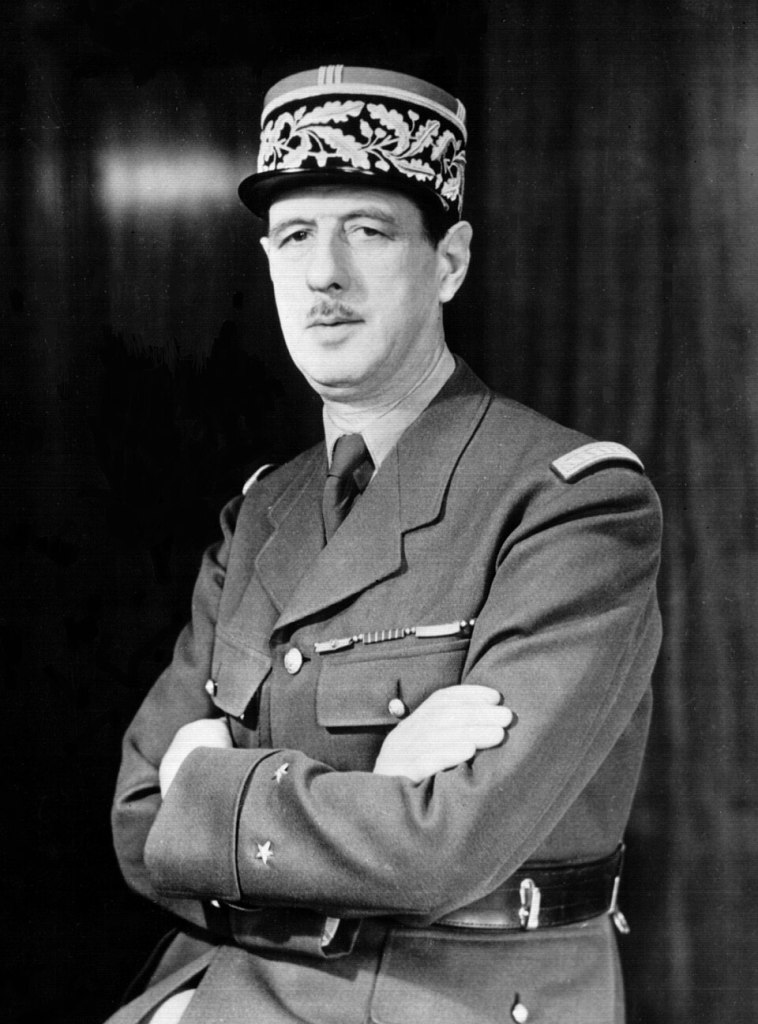
Charles de Gaulle
Finally, the Concorde was born, and was being produced with parts from all over Europe. Brooklands was a major producer of the Concorde, in the UK. Many airlines purchased the Concorde, but due to its lenient returns policy and annoying range and unhelpful properties, every airline cancelled except British Airways and Air France. Some of the other airlines that purchased the aircraft were Braniff, Pan Am, Japan Airlines, Eastern Airlines, but also among them were some stranger airlines, such as Middle Eastern Airlines, Iran Air and Air India, which had almost no market for transatlantic flights over oceans. That was one of the problems very early on for Concorde. It could not travel across land efficiently as it lost a lot of fuel not going supersonic, so it was mainly used for over-sea routes, such as, possibly the most famous, London to New York.
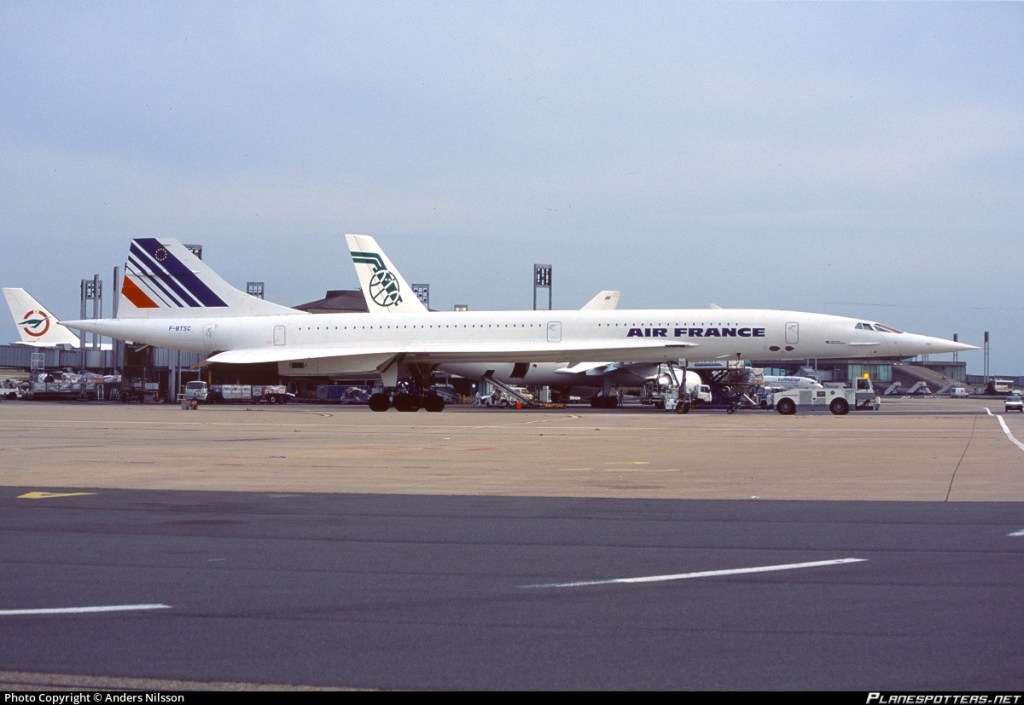
Before the airlines even got the airliner, the Concordes main competition, the Tu-144 built by the Soviets, was very similar to the Concorde and coming out at the same time. It truly was a marvel of engineering, however, at a Paris Airshow as the Concorde was being released, it suffered an awful crash, leading to many disliking the idea of supersonic travel. So, Concorde was already off to a slightly bad start, with the crash of its competitor seeming good, it made many airlines and passengers step away from the Concorde. The Concorde was also overlooked due to its perceived harm for the environment. It was loud and gas guzzling and many did not want a massive loud aircraft flying over their house all the time, especially around Heathrow, which is in the middle of London. The Americans did not make a supersonic jet, due to funding being cut to Boeings supersonic jet, the Boeing 2707. Many speculate that the reason for the lack of American support of the Concorde was due to the current president, Jimmy Carter, wanting to protect American worker rights and the American industry.

Concorde began scheduled flights with both British Airways and Air France on the 21st of January, 1976. Some of the routes that the two airlines flew included: London – Bahrain, London – Barbados, the aforementioned London – JFK and London – Miami with British Airways, Air France flew Paris to Dakar to Rio De Janeiro, Paris to Azores to Caracas, Paris to JFK and Paris to Washington. Concorde immediately faced problems with profitability for British Airways and so they converted the image of Concorde into one of a super-premium service, charging a lot more for seats (as they had to) and doing premium sightseeing tours, where normal people could experience the Concorde. Concorde had an amazing legacy flying passengers all around the world, including a short stint in a half British Airways, half Singapore Airlines livery flying from Singapore. The Concorde was seen as a sign of excellence, and my mum even flew onboard the aircraft from London to Barbados and back. Concorde was the epitome of luxury. So why did the aircraft go out of service in only 2003.
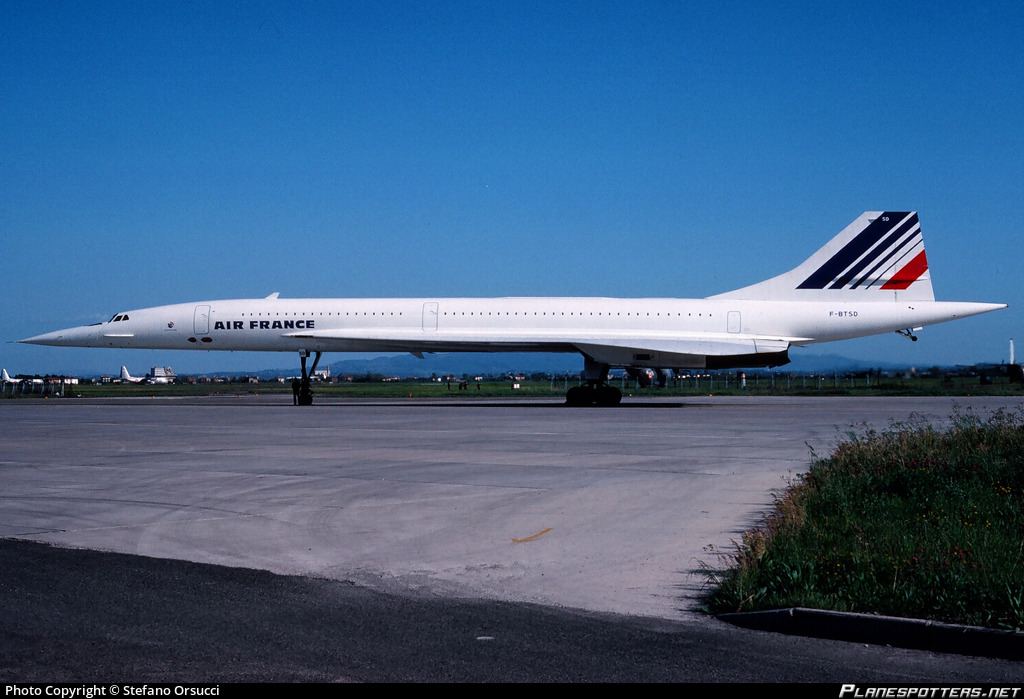
The Concorde was one of the least efficient planes of all time. Over land the aircraft guzzled so much fuel, that it was physically impossible to fly it any reasonable distance. These high maintenance costs led to the aircraft being retired, as one of the reasons. Keeping this aircraft in the skies was incredibly difficult as the aircraft was complicated and, if anything went wrong, it had dire consequences. Another reason for the end of Concorde was the environmental cost of the aircraft. The sonic boom set off house and car alarms and could break windows. The sound of the aircraft was too much for most residents near airports, which I think is ironic now that no one will ever hear it again in its raw form, quite sad. Another reason was Air France flight 4590, which was travelling from Paris to JFK. The aircraft, as it took off, has an engine explosion, which killed all passengers on board, including 4 on the ground. All 109 souls were killed. It was found that the cause was a piece of a Continental Airlines DC-10 before it had taken off. The engines were easy to access from the outside, which led to many people not trusting the aircraft. Before this, Concorde was arguably the safest passenger aircraft ever created. In July of 2001 a redesign was done and flown by Mike Balister, however the public’s trust had already faltered and less people were flying. The third, and quite important reason, was the 2001 September 11 Attacks, which led to less passengers flying, and also Concorde was just recovering from its crash and many were worried that it was next to be bombed, as it was such a famous and iconic plane for Britian and the West that it was a large worry for passengers, alongside that fact that less people were flying at the time. Concorde was retired in 2003, and many are preserved. I have been on two, the Brooklands Concorde and the first Concorde in Edinburgh, Scotland.
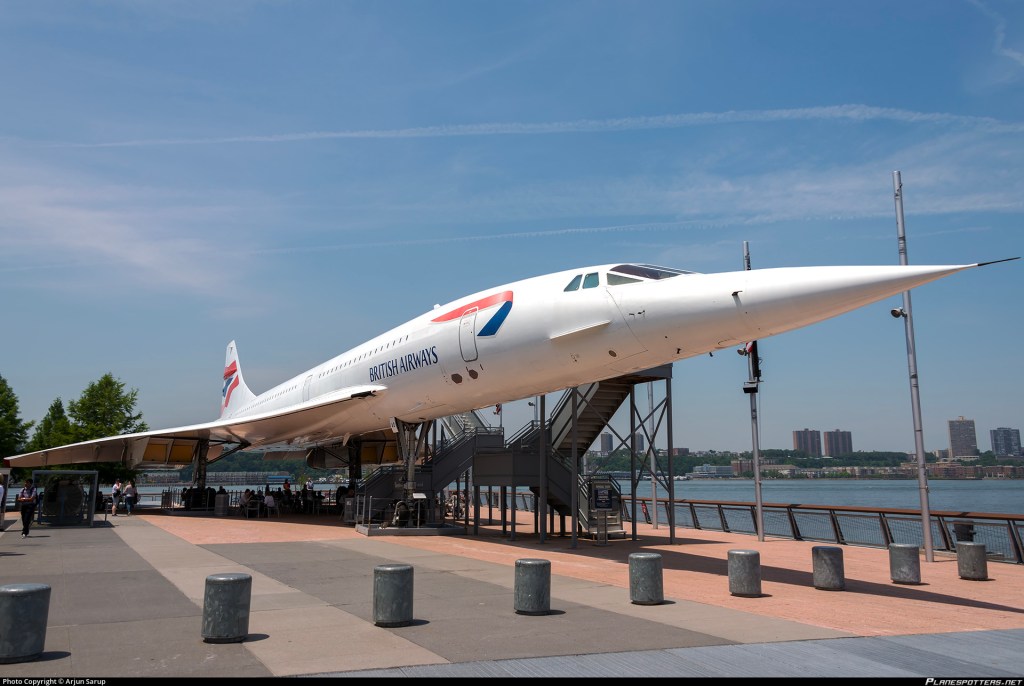
And so, the story of the futuristic space liner comes to an end. The marvellous Concorde was retired and no more scheduled flights happened. It is truly a story of Concorde being in the wrong place at the wrong time and being incredibly unlucky. First, the Tu-144 crash, along with the Air France crash, September 11 Attacks, Airplane sound limits, high fuel prices and many other small events all led to the inevitable end of Concorde and of supersonic travel and flight (for now, hopefully not forever) and the end of, what many would say now in retrospect, an era.
 Plane Simple