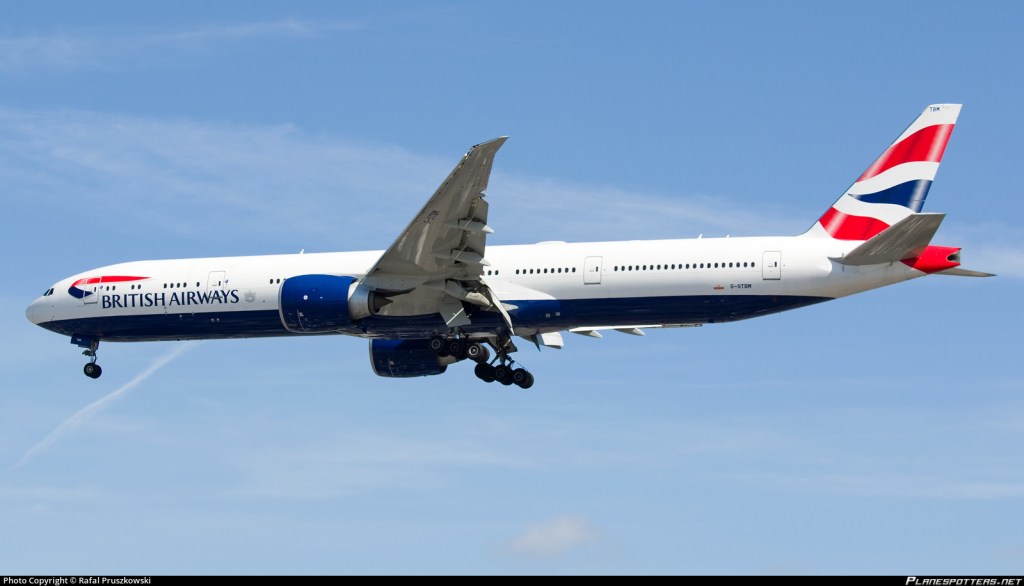
British Airways was once the star of aviation and luxury travel. The airline, formed in 1974 by the merger of two massive airline corporations, British Overseas Airline Corportation (better known as BOAC) and British European Airlines (better known as BEA). This is how British Airways went from being the pinnacle of class, to being a sub-par airline fighting for survival.
The Pre-BA Times
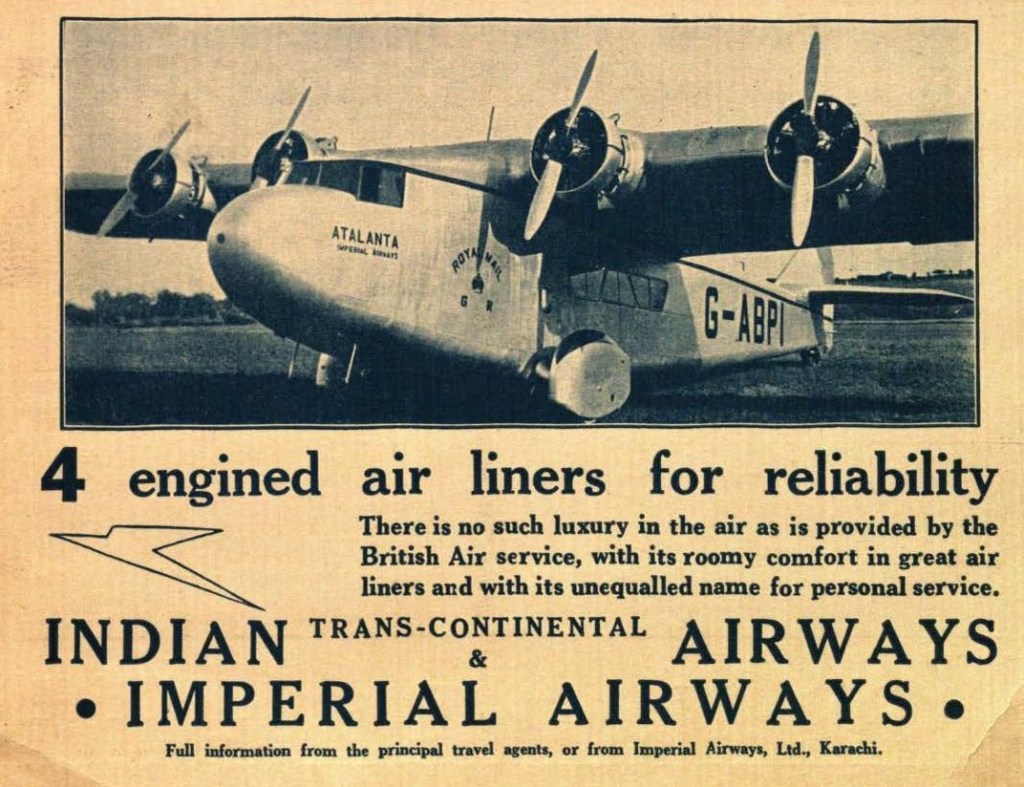
In 1916, the first British airline is created, Aircraft Transportation & Travel (AT&T) and in 1919 the first international flight that AT&T has taken, and the first international flight in the world is conducted. This flight took off from Hounslow Heath in London, England, and flew to Paris, France. This was the start of something big. The first internationally scheduled flight was done, using a modified war time DH.4A. The cockpit was open for the pilots, where the passenger cabin was enclosed. In 1924, many smaller airlines, including AT&T all merged together to form Imperial Airways. Imperial Airways had many routes, including routes to modern day Egypt, Iraq, Tanzania, Nigeria and even all the way down to Australia through an absolutely massive hopping route all throughout Asia. However, Imperial Airways, and most of the airline of the time were still incredibly dangerous and crashed all of the time. The early days of aviation was pretty dodgy, and Imperial Airways was not inexperienced in wrecks and crashes. Imperial Airways was still not one of the best airlines in the world, due to these crashes, but also rising engine costs and innovation lagging behind their competitors. This led to the merger of Imperial Airways into BOAC in 1939, which was a state-owned airline.
BOAC
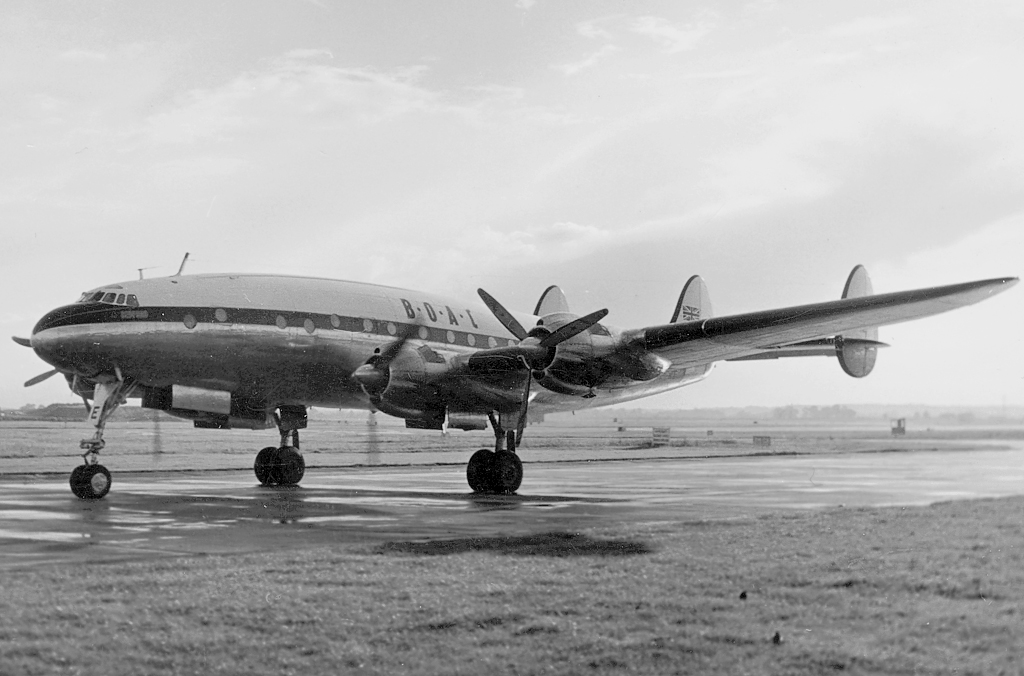
British Overseas Airways Corportation (BOAC) was formed in 1939, which led directly into World War 2. This led to most of BOAC’s operations being changed for war efforts. However, after WW2 BOAC could finally spread its international wings, and start flying all around. BOAC leased many aircraft, such as the DC-3, Avro Lancastrians, Avro Yorks and Short S.26’s, so not the modern-day aircraft that we are so used to. BOAC then bought the Lockheed Constellation, which was a large argument as this was an American plane, not a British one. BOAC was flying to many destinations across the globe, such as Nairobi, Accra (then Gold Coast) and Culcutta. BOAC then bought some Boeing Stratocruisers which greatly helped their transportation efforts, and these flew from New York to London. Buying some more modern aircraft, BOAC bought DC-7‘s and was now competing with the big American airlines, such as TWA and Pan Am.
BOAC Early Jets
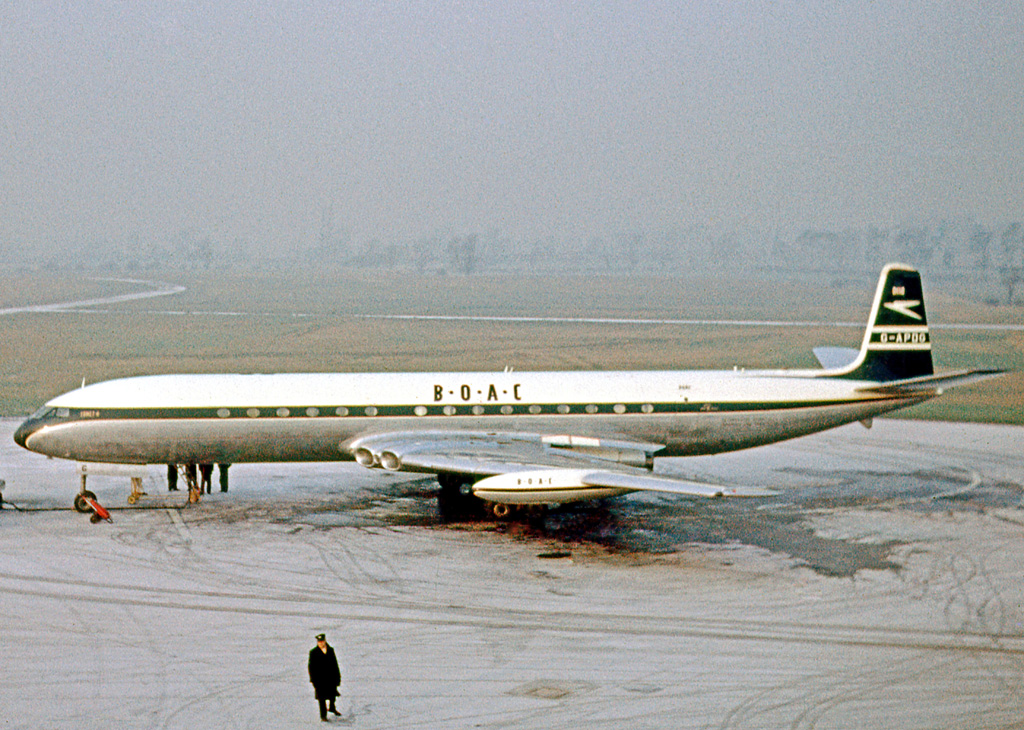
Jets were then introduced into the BOAC fleet and were the first airline to introduce a passenger aircraft into their fleet. This came courtesy of the very first jet aircraft, the de Havilland Comet, which I have been on in a museum. The de Havilland Comet was incredibly powerful, but many were skeptical due to the new technology. However, BOAC pioneered the aircraft, and it became a sign of prosperity and power for the airlines and companies that could fly the Comet. BOAC was owned by the British government, and so this was a major importance to them. BOAC started modernizing their fleet with these Comets. However, all Comet 1’s were pulled out of service, due to their unfortunate crashes in the Mediterranean, and their structural fault with square windows lead to fuselage breaks mid-flight. Comet 4’s were then purchased which did not have this issue. BOAC then went on to purchase some aircraft from Vickers, with the slightly unknown V-1000 or the Vicker VC-7. These aircraft were similar to the Comet; however, they were more reliable, but the VC-7 was too heavy to do a lot of things and was mainly used in military operations. BOAC then cancelled the orders for the VC-7 and switched the order for more Comets and Bristol Britannica aircraft.
BOAC Modern Jets
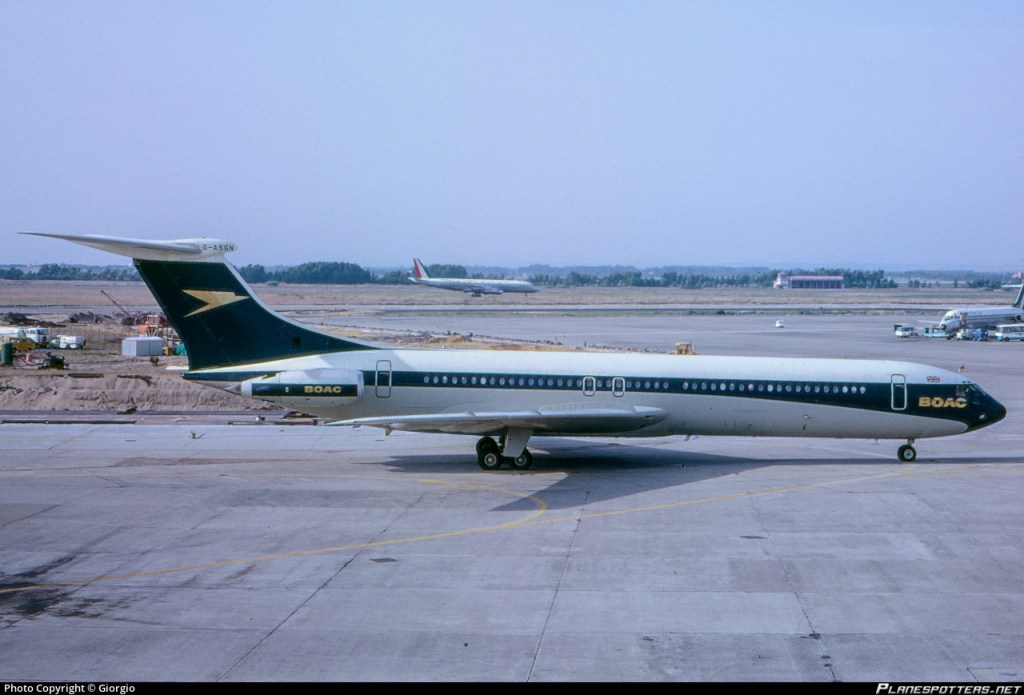
In 1956 BOAC ordered 15 707‘s from Boeing. These entered service in 1960, and the owner of BOAC at the time, Sir Giles Gutherie, preferred Boeing for economic reasons. After a slight argument in Parliament, BOAC was forced to purchase the new Vickers VC-10, which was not considered originally as it had higher operating costs. BOAC had to have certain permits in place, which the VC-10 greater filled, due to the hot and high requirements for their Asian and African routes. Unexpectedly the VC-10 was incredibly popular with American passengers on the England-America routes, but this was with the bigger Super VC10 rather than the smaller Standard VC10. The North Atlantic routes were profitable from this. The next most important stage in the history of BOAC is the purchasing of 747 aircraft, which became iconic with BOAC and British Airways had a special BOAC livery for a while.
BOAC and BEA merged in 1953 due to their inability to control a Cyprus route. BOAC said that they should do the Cyprus routes, as it was in Asia and far away, whereas BEA owned Cyprus Airways, and said that they were doing short haul flights inter-Europe from Cyprus to the Middle East and Africa. They decided to merge into British Airways and that is where we are today.
British Airways
We are now onto the beginnings of British Airways, the company that we are used to today.
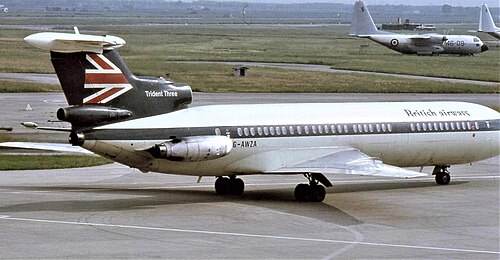
This British Airways Trident still has the BEA livery with British airways branding
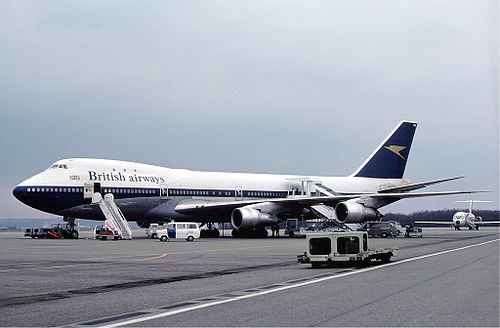
This British Airways aircraft still has a BOAC paint job, with British airways branding.
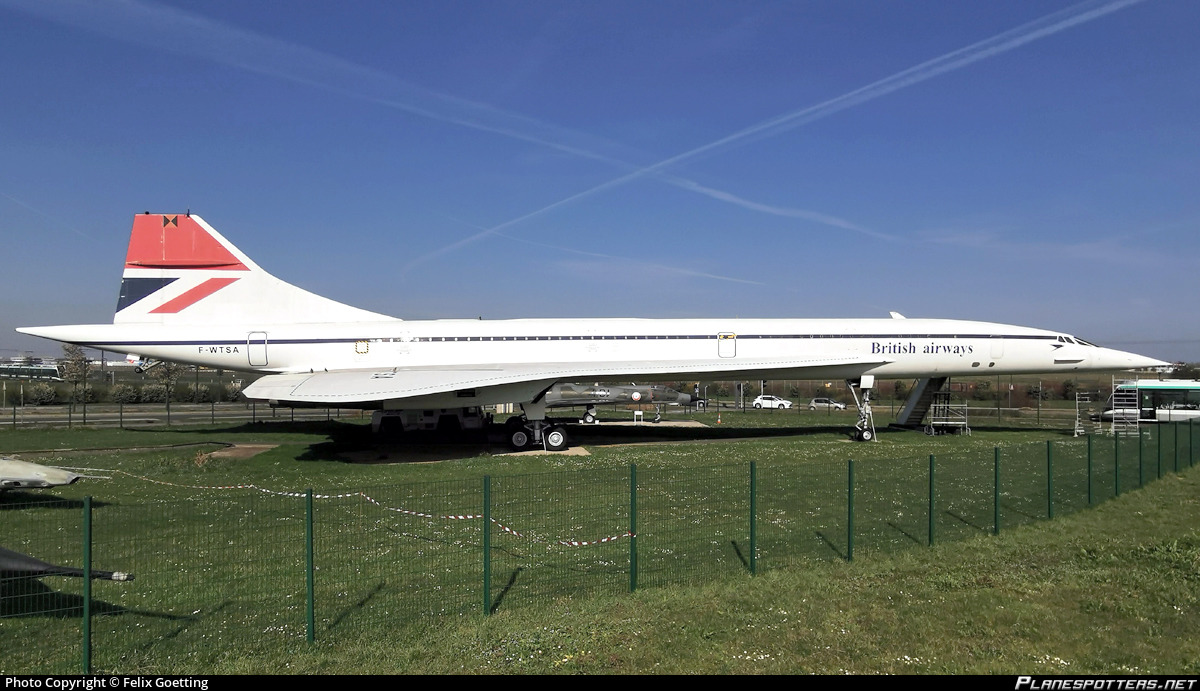
One of the first aircraft that British Airways had purchased for themselves was the Concorde, one of the most iconic and recognizable aircraft ever created. The Concorde was made by both French and British manufacturers and therefore British Airways and Air France both took control of Concordes. Many other airlines also placed orders but opted out. The aircraft was hyper specific and meant that only very certain routes could be operated. For British Airways some of these routes included:
- London to Barbados
- London to New York
- London to Antigua
- London to Bahrain
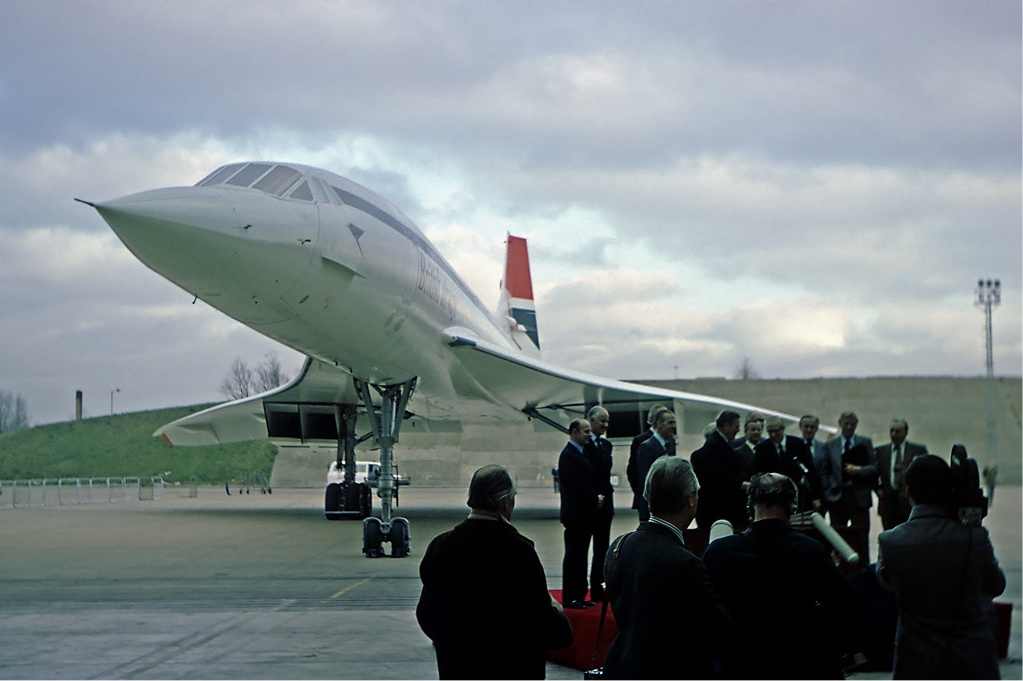
This is the very first British Airways Concorde waiting for its first passengers.
The British Airways Concorde was a sign of the brilliant times that the airline was in. It cost a lot of money to do a service on one of these beasts as they guzzled fuel. The supersonic jet was ahead of its time in some respects. The second ever Concorde, stored at Brooklands, is the only Concorde that I have been on. The Concorde was not all that comfortable, but the idea and the vibe of Concorde (and the absurd seat price) made only the highest-class fly, causing it to be valued very high. British Airways was taking off (pun intended) in a wonderful direction. British Airways, at this time, was the leading standard in the airline industry. With the best and newest planes, best first classes and a bit of the British kick that many liked, they were on top of the airline world.
In 1998 British Airways, along with American Airlines, Canadian Airlines, Cathay Pacific and Qantas formed the Oneworld Alliance. This was a major business decision as this alliance meant that the airlines were more connected, and these airline were the best few of the world, and being a Oneworld airline became highly sought after.
Beginning of the Fall
In 1998, British Airways, under the leadership of Bob Ayling, created the budget airline Go Fly, operating from London Stanstead to Europe, basically like Ryanair or easyJet. Rod Eddington was exchange for Bob Ayling and became the owner of BA. In 2000 a deal that was supposed to be about combining KLM and British Airways fell through. Alongside this in 2001, British Asia Airways fell through when British Airways stopped flights to Taipei. Go Fly was sold to a management backout in 2001. Eddington laid off many workers during and after the September 11 Attacks, which greatly impacted flying. This did not help the airline at all, and the Concorde was stopped from flying as it was such as icon that it was feared that it could also be targeted. In 2004, BA sold their share of Qantas, the Australian National Carrier. In 2005 Eddington was replaced by the old managing director of Aer Lingus, and pilot, Willie Walsh. He created OpenSkies which took advantage of the new legislation about easier flying from Europe to America. The airline flew from Paris to New York’s Newark & JFK Airport.
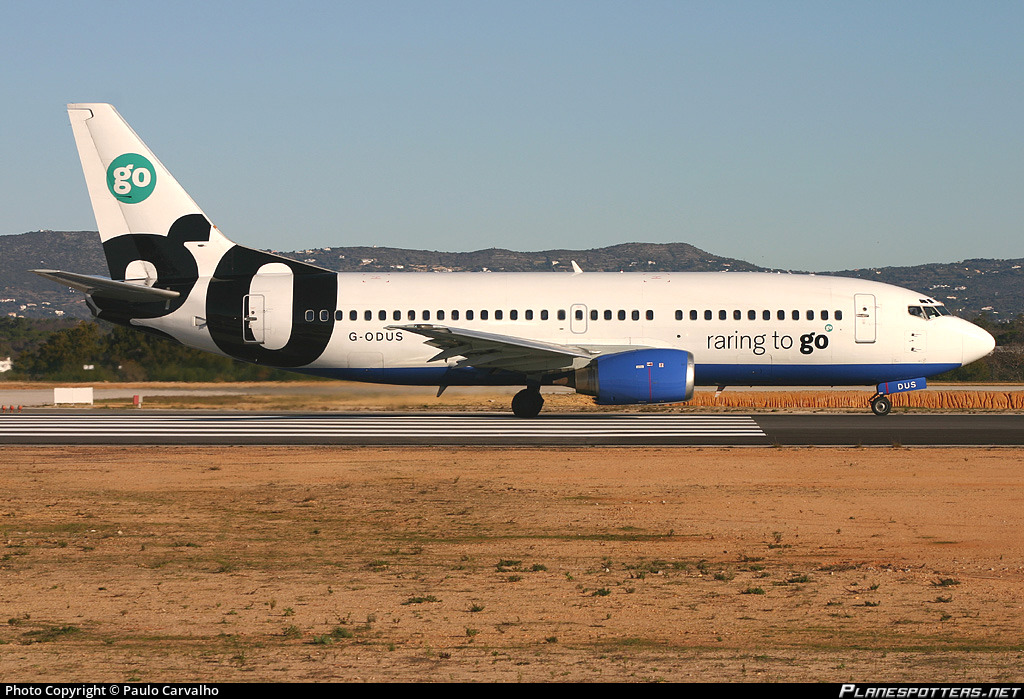
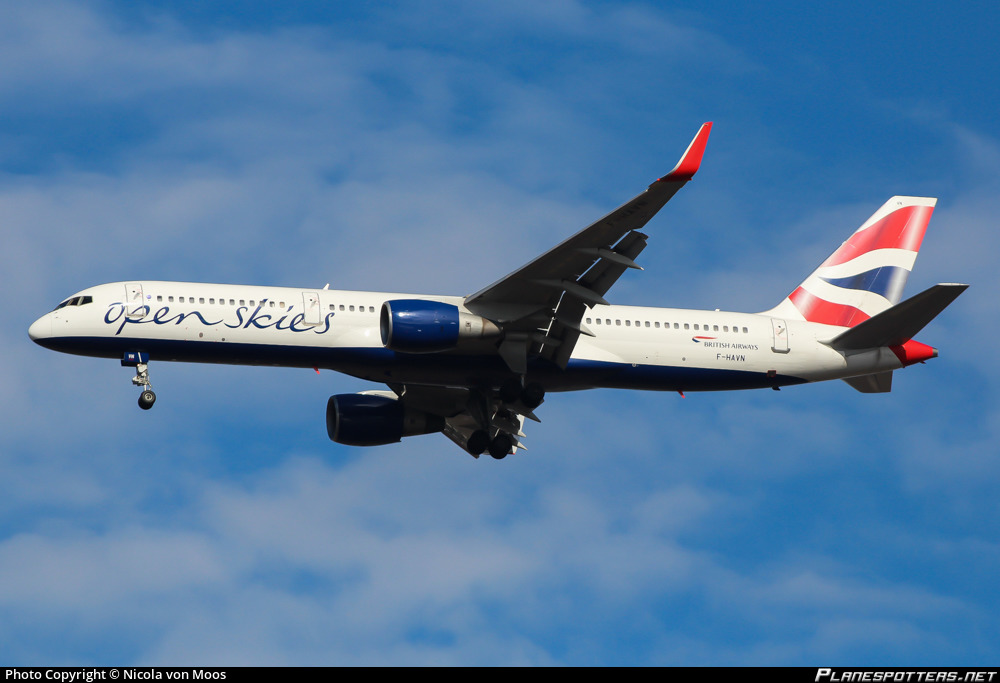
British Airways really needed a way to bring down costs of their flights as they were losing an extreme amount of money. In July of 2008 a merger between British Airways and Iberia was offered and this came into play in 2010. British and Iberia formed the IAG (International Airline Group), which saved British Airways a reported 230 million pounds and 330 million with the addition of Iberia in the alliance. It was finalized in 2011. Due to this British Airways stopped trading on the FTSE after 23 years. Willie Walsh in 2010 said that more airline were to be added to IAG and a list was drawn up, one being British Midland International, which was bought and turned into Club World London City.
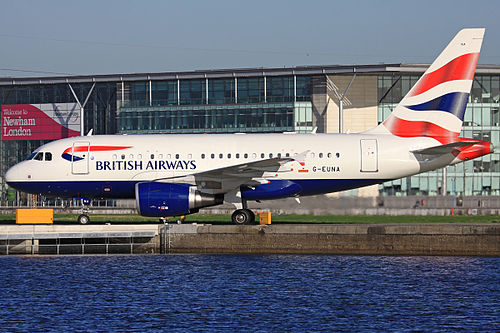
The aircraft, G-EUNA, operating the Club World London City flights in a full business layout flying from London City to New York via Ireland
British Airways continued doing publicity and other things such as hosting the 2012 London Olympics. However, by this time, in the 1990’s to 2000’s British Airways was already starting to become worse and worse, noted by cost cutting measures, an IT fail in 2017, and a drop in quality. There are many reasons for the decline of British Airways, and I will talk about them, but one thing that is good to mention is that much of the quality drop of British Airways is perceived and is not true for every flight and for every passenger. British Airways, in 2024, was voted the most family friendly airline in the world by Skytrax.
The Problems
There are many problems that British Airways faced which has led to its fall from grace, being the industry standard, to now being an airline that only has a 1.4/10 on Trustpilot. However, British Airways is still a good airline, coming 13th out of 100 top airlines this year, but, important to note, that BA was 5th in 2021.
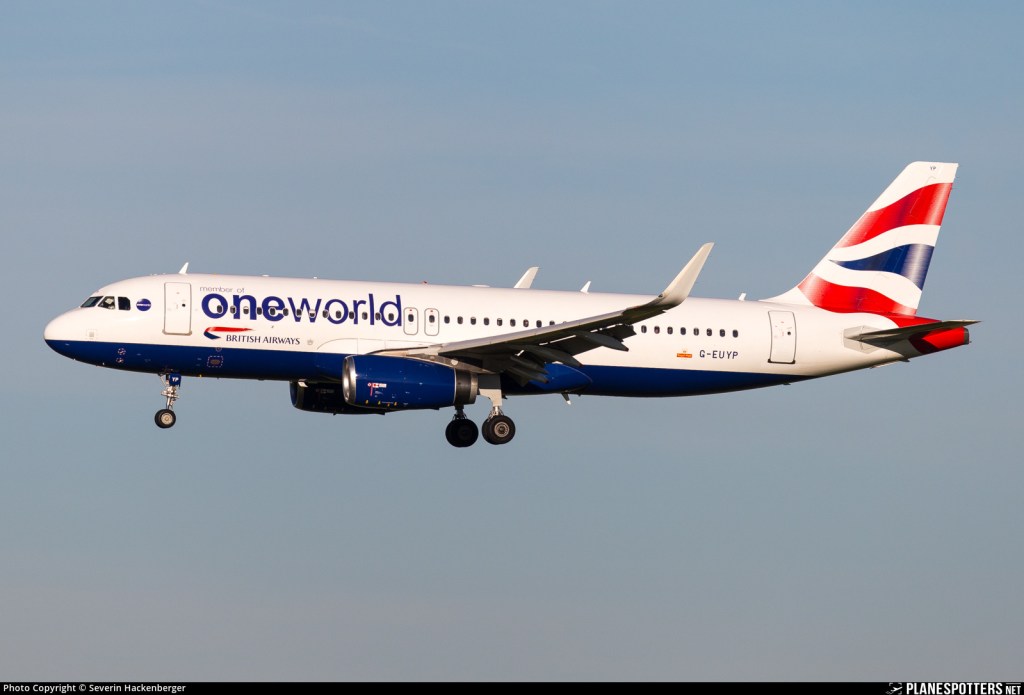
British Airways faced the problem that many airlines face is that they have to cut costs in some way, but British Airways did this quite consistently to a lot of bits that people really liked and pretty much only flew BA for. For example, British Airways has removed food service for economy class on inter-European routes. My grandad used to fly from Heathrow to Manchester for work, and he was always served a meal on this short flight in business, but it was removed for all passengers and my grandad stopped flying and instead drove. This is a small example that though it seems insignificant can impact a business quite drastically. British Airways started removing all of the luxury from their European flights, which makes up the backbone of their company and the perceived view of the airline. The British luxury is so prominent without the views of the public of British Airways and so removing that makes the airline seem not as good.
Budget Airlines
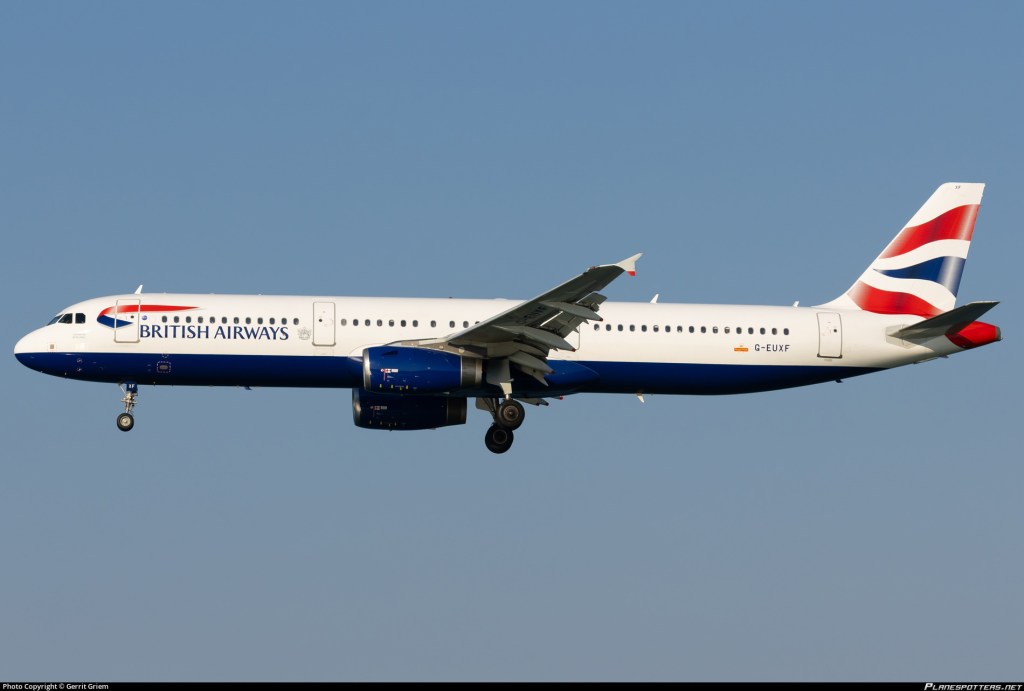
After the Fall of the Twin Towers in 2001, many airlines were doing badly due to people not wanting to fly as much, because of the attacks, which led to airline suffering from it. However, one airline that did quite well was Ryanair, who bought lots of 737‘s in the time as they were much cheaper from the lack of air travel. These 737’s were used on budget airline routes and because they were bought for so cheap, Ryanair could make massive profits on the aircraft. Budget airlines also did well after 2001, as flight prices, due to lack of oil, became more expensive. easyJet, Ryanair, Wizz and all of the budget airlines were doing great, but legacy carriers, such as British Airways, weren’t as people didn’t want to travel as much for as much money. Therefore, British Airways started to cut some costs (they were doing this even before in the ’90s) and this led to money loss as people stopped flying, as the prices were higher, but the product was lower.
The Element of Suprise
A phenomenon of which I do not know the name is where someone says that they are going to do something, and then do it better, leading to someone else being happier. For example, if you were at work and someone asks you to find flights for their holiday from New York to London, and you say “I’ll get back to you by tomorrow morning,” but instead you get back by that evening, they will be happier with the service than if you says, “I’ll get back with you this evening,” and you get back in the evening, and even happier than if you say, “I’ll get back with you this evening,” but get back tomorrow morning. The first and second options are the exact same thing. You get back to them by the evening, but one seems like you have done something extra and have improved upon your first offering, whereas the other is just keeping the same expectation, even if the two people get the same thing. British Airways and the budget airlines are like this.
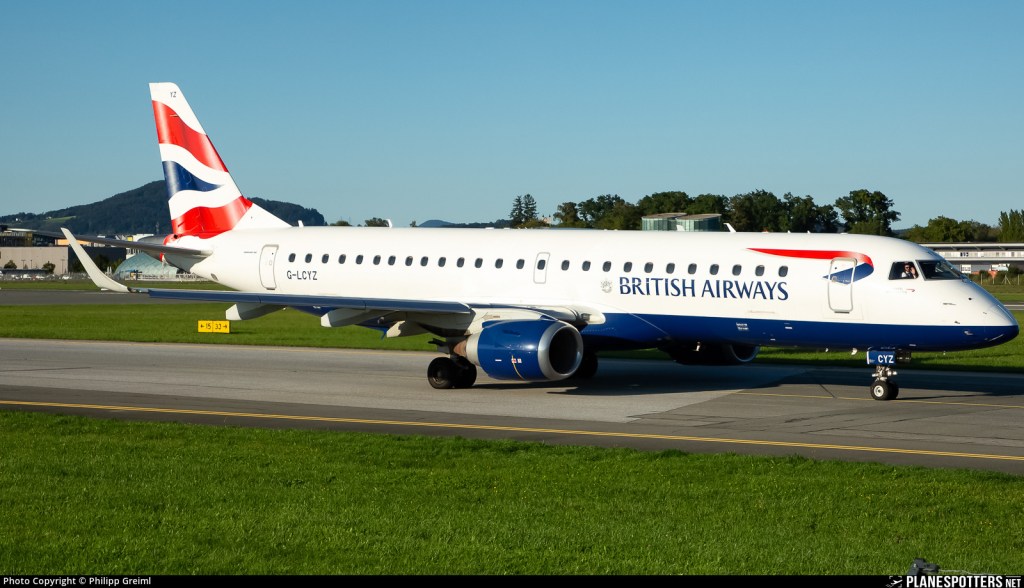
In 2022 I flew with both easyJet and British Airways to destinations. The examples that I will take are when I flew with easyJet from LGW to Corfu and British Airways from LHR to Edinburgh. For the easyJet flight I had very low expectations, thinking that it would be delayed and that the passengers would be wild and that something would go wrong. However, when I flew with easyJet the flight was completely fine. It was nothing to write home about, but it was on time, fine seats and it was quick and easy to check-in and board. On British Airways, I thought that the flight would be early, I would get food, there might be entertainment, for the price. However, there was none of that, it was pretty similar to easyJet. On time, alright, but this time, it felt much worse even though it was the same. Due to the lower expectations, easyJet surprised me, which was very good, and I was very happy. There was a similar, if not the same product, but because of my lower expectations, I was pleasantly surprised with flying easyJet, however was just slightly disappointed with British Airways. Their reputation of being a luxury airline, but not delivering on that, is truly hurting their company.
In Conclusion
In conclusion, British Airways has been consistently getting less and less good and thought of as being good. The airline has cost cut a lot, taking away things that people valued about British Airways. The history of luxury does not help with their current state. British Airways perceived luxury means that other, budget carriers can do less and feel like more.
Thank you for reading and please subscribe!
 Plane Simple